How to Keep Trees Safe Around Your Roof and Walkways
Why Pruning Near Structures Matters
Trees add shade and beauty to a property, but branches that grow too close to a roof or walkway can cause real trouble. A limb rubbing against shingles wears away the protective layer, and over time that leads to leaks. Low-hanging branches force people to duck or push them aside, which is annoying and can be dangerous if a dead limb breaks off suddenly. Regular attention to these areas keeps your home and your family safer, and it also helps the tree stay healthy longer.
Check for Dead or Dying Branches First
The most urgent task is spotting branches that are no longer alive. Dead wood is brittle and can fall without warning, especially during a storm. Look for limbs that have no leaves in summer, bark that is peeling away, or cracks running along the branch. These are signs that the branch is failing. Removing dead wood before it lands on a roof or a paved path prevents damage and keeps everyone who walks underneath out of harm's way. This kind of work is part of any good tree pruning service, and it is the first thing a professional looks for when they assess a tree.
Assess the Crown Structure
A tree with a balanced crown is less likely to drop large limbs. When you look up at the canopy, you want to see a strong central leader or a well-spaced set of main branches. Branches that cross and rub against each other create wounds where disease can enter. Branches that grow at a narrow angle (a tight V shape) are weaker than those that grow at a wider angle. Over time, a heavy load of leaves or ice can split that V apart. Structural pruning helps correct these problems early, before a branch becomes too large to manage safely. If you see a limb that looks like it might split, call a professional to evaluate it.
Establish Proper Roof Clearance
Branches that touch or hang directly over the roof are a common source of trouble. They drop leaves and debris into gutters, which clogs the downspouts and can cause water to back up under the shingles. Squirrels and other animals often use overhanging limbs as a bridge to the attic, where they can nest and chew through wiring. The general rule is to keep branches at least six feet away from the roofline. That distance gives you room to clean gutters without fighting limbs, and it reduces the chance of a branch scraping the roof on a windy day. Clearance pruning is a straightforward job, but it needs to be done with care so that the remaining branches are not left unbalanced.
Look for Branches Over Walkways and Driveways
Any limb that hangs lower than eight feet above a walkway or ten feet above a driveway is a hazard. Tall people, someone carrying a ladder, or a delivery truck can hit that branch hard enough to break it. Even if the branch does not break, the impact can injure the tree by tearing the bark. Pruning these low limbs back to a lateral branch or to the trunk opens up the space and makes the path feel more welcoming. It also reduces the amount of leaf litter that ends up on the pavement, which can be slippery when wet. A good tree pruning service will include this kind of work in a routine visit, because it directly affects how usable the yard is.
Inspect the Branch Collar Before Cutting
When you do remove a branch, the cut matters a great deal for the tree's recovery. The branch collar is the swollen area where the branch meets the trunk or a larger limb. Cutting flush against the trunk removes the collar and leaves a large wound that the tree cannot seal properly. That open wound invites decay and insects. The correct cut is just outside the branch collar, angling slightly away from the trunk. A professional knows exactly where to make that cut so the tree heals quickly. If you are doing small pruning yourself, take time to study the branch collar before you pick up the saw. When in doubt, leave the cut to an expert.
Think About Storm Preparation
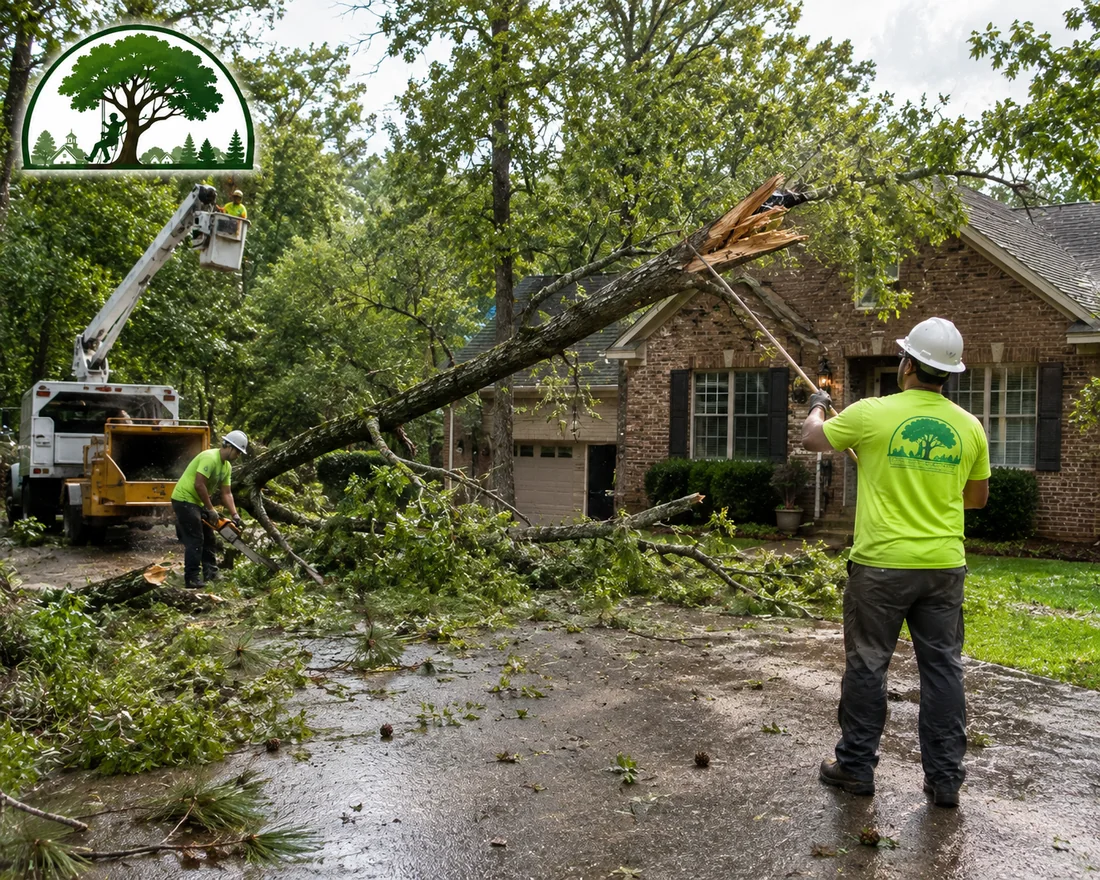
A tree that is well pruned is much less likely to cause damage in a storm. Branches that are dead, diseased, or poorly attached are the first to break in high winds. Removing those weak points ahead of a storm gives the tree a better chance of staying intact. It also reduces the amount of debris that could land on your roof or block your driveway afterward. Storm preparation is not about removing large amounts of live wood; it is about targeting the specific risks. A thinning cut that opens up the canopy lets wind pass through instead of pushing against a solid sail. That simple change can save a tree from uprooting or shedding major limbs. Ask your local arborist about storm preparation when you schedule a visit.
Watch for Signs of Disease or Pest Infestation
Branches that are dying back from the tips, leaves that turn color out of season, or sawdust-like frass around the base of a limb can all point to a problem inside the tree. When a tree is fighting an infection or an insect attack, its wood becomes weaker. That weak wood is more likely to break and fall onto a structure. If you notice any of these signs on a branch near your house, have it looked at promptly. Sometimes the solution is simply removing the affected limb. Other times the tree may need more extensive care. Either way, catching the issue early prevents a small problem from turning into a dangerous situation.
Keep Young Trees on the Right Path
Small trees that are planted near a house or a walkway are easy to ignore because they are not causing trouble yet. But a young tree that is not pruned correctly can develop structural flaws that become expensive to fix later. A fork that looks harmless at ten feet tall can become a split hazard at thirty feet. Training a young tree to have a strong central leader and well-spaced scaffold branches is much easier than trying to correct a mature tree. If you have recently planted a tree near your home, consider having a professional look at it in the first few years. A small investment in structural pruning now can save you from removing a large limb later.
When to Call a Professional
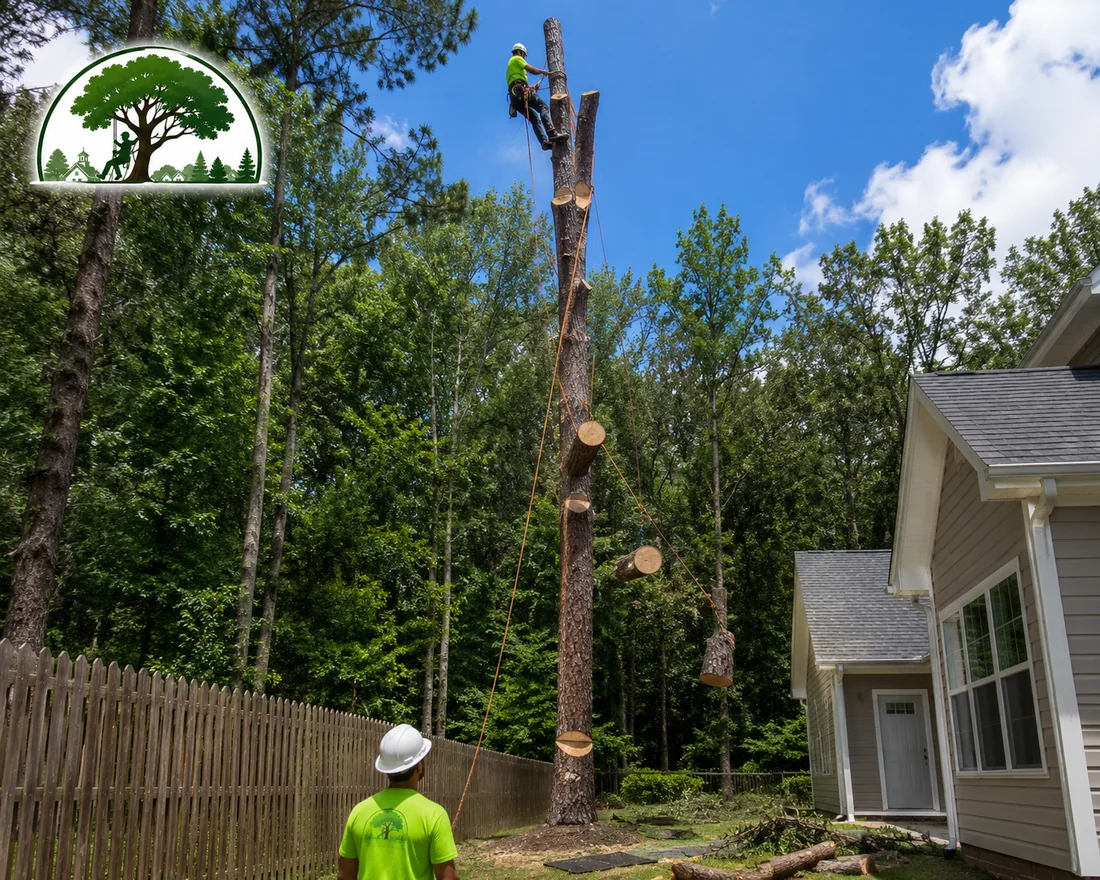
Some pruning tasks are fine for a homeowner with a hand saw and a steady ladder. But any branch that is larger than about four inches in diameter, anything that is high up, and anything that is near a power line should be handled by a trained climber. The equipment and the skill required to bring a heavy limb down safely are not something most people have on hand. A professional also knows how to make cuts that promote tree health, not just quick clearance. For homeowners in the area, Tree Service Dallas GA offers the kind of careful, thorough work that keeps trees looking good and staying safe around buildings and paved areas. Their team understands the local tree species and the common issues that come with them.
If you are not sure whether a branch is safe or if you just want a second set of eyes on your trees, a consultation can give you peace of mind. A good tree pruning service will walk the property with you, point out the branches that need attention, and explain why. They will also tell you which branches can stay and why that is okay. Knowing the difference between a risky limb and a healthy one is the whole point of a checklist like this. Use it as a starting point, and then rely on experienced professionals for the work that is beyond your reach.
Keeping trees healthy and structures safe is not about removing every branch that gets close. It is about being deliberate and making thoughtful cuts. That approach protects your home, extends the life of your trees, and saves you from emergency repairs down the road. Whether you handle the small stuff yourself or call in a team like Tree Service Dallas GA, the key is to stay consistent. A quick walk around the property twice a year is enough to catch most problems before they turn into damage.